
Digital Twins and AI in Asset Life
What digital twins actually are, where AI adds value (and where it doesn't), and how to separate substance from hype.
What is a Digital Twin?
A digital twin is a virtual representation of a physical asset that is continuously updated with real-world data to mirror the actual state, behavior, and performance of that asset. The concept spans a spectrum from simple 3D models to fully dynamic physics-based simulations.
- Digital Model: A static representation (3D CAD, P&ID, data sheet) — no live connection
- Digital Shadow: A model fed with real-time data from the asset — one-way data flow
- Digital Twin: A two-way integrated model — real-time data updates the model, and the model's insights feed back to control/maintenance decisions
Where Digital Twins Add Value in Asset Lifecycle Management
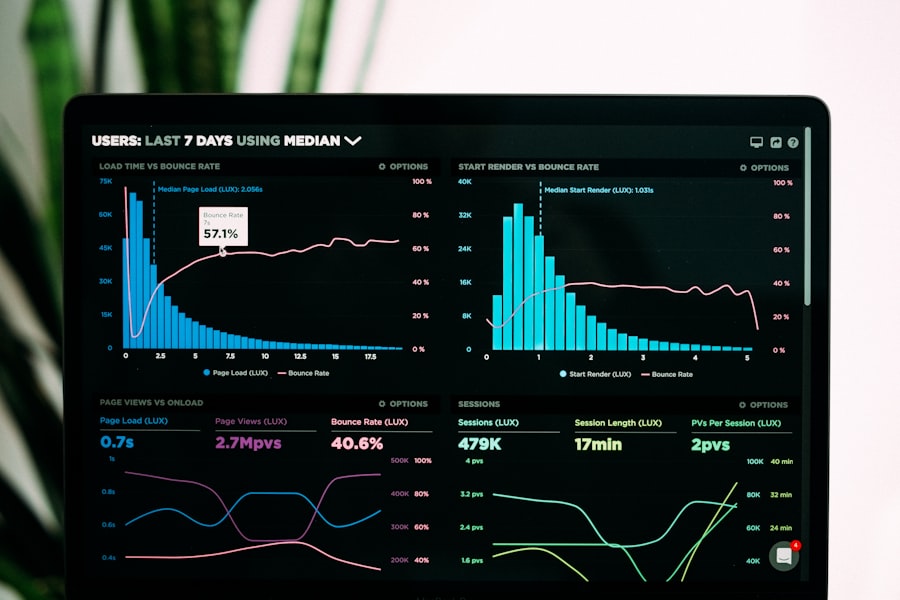
The most mature and commercially proven applications of digital twins in asset lifecycle management include:
Remaining Life Prediction: Physics-based corrosion models updated with wall thickness measurements and process chemistry data generate continuously revised RUL estimates — more accurate and more current than periodic manual assessment.
Failure Mode Simulation: Run-to-failure simulations under different operating scenarios help operators understand consequences of various degradation paths before they occur.
Maintenance Optimization: Condition-based maintenance scheduling driven by digital twin health indicators reduces both planned and unplanned downtime.
Shutdown Scope Definition: Digital twin data can automatically generate the inspection scope for an upcoming turnaround, prioritizing locations with highest degradation.
Where AI Adds Genuine Value
Artificial Intelligence — particularly machine learning — adds value where patterns in large datasets can predict failures or anomalies that humans and physics models miss:
Anomaly Detection: ML models trained on normal operating data can identify subtle deviations that precede failure — pressure fluctuations, vibration harmonics, temperature distributions — often days or weeks before conventional alarming.
Sensor Fusion: Combining data from vibration sensors, thermal cameras, acoustic emission detectors, and process historians to build multi-dimensional health indicators.
Pattern Recognition in Inspection Data: Computer vision algorithms applied to inspection imagery (UT C-scans, magnetic flux leakage maps) to automatically identify and size defects.
Predictive Work Order Generation: AI systems that automatically create work orders when digital twin health indicators breach thresholds.
Separating Substance from Hype
Digital twin and AI projects fail at high rates in industrial settings. The most common reasons:
Data quality is the real barrier: 80% of effort in industrial ML projects goes to data cleaning, normalization, and contextualization. Poor sensor data, inconsistent tagging, and missing maintenance records undermine even sophisticated algorithms.
Physics still matters: Pure data-driven models lack physical interpretability. When they predict a failure, operators need to understand *why* — which degradation mechanism, in which location. Physics-hybrid models that combine first-principles corrosion/fatigue models with ML are more trusted and more actionable.
The engineering expertise gap: Deploying these technologies requires deep integration of data science, software engineering, and process/mechanical engineering expertise. Organizations that treat digital twin as a pure IT project routinely fail.
The value is in the decision, not the technology: A digital twin's value is measured not in data processed, but in better and earlier maintenance decisions made. Organizations should evaluate ROI in terms of failure events prevented, inspection costs avoided, and production uptime preserved.
Key Takeaways
Digital twins range from static models to fully dynamic, two-way physics simulations
The most proven applications are RUL prediction, failure simulation, and maintenance optimization
AI adds value in anomaly detection, sensor fusion, and pattern recognition in large datasets
Data quality — not algorithm sophistication — is the most common barrier to success
Physics-hybrid models that combine first principles with ML are more trusted and actionable than pure data-driven approaches
Apply this knowledge to your assets
Use the Astrext platform to model RUL, compare strategies, and forecast lifecycle costs — free.
Launch Platform Free →